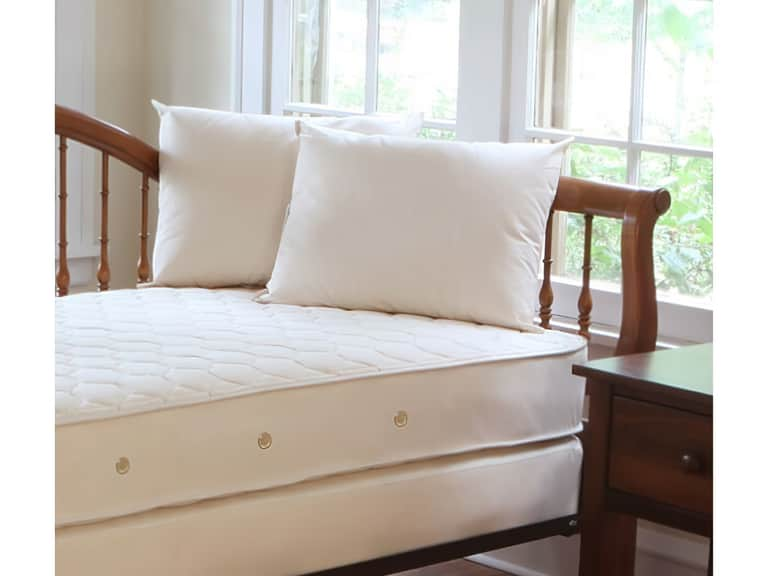
Naturepedic Organic Linen Sheets (Sheets)
Certified organic flax linen, GOTS-certified, known for breathability, moisture management, and long-lasting durability. Stone-washed finish for a luxurious yet practical hand feel that ages gracefully.

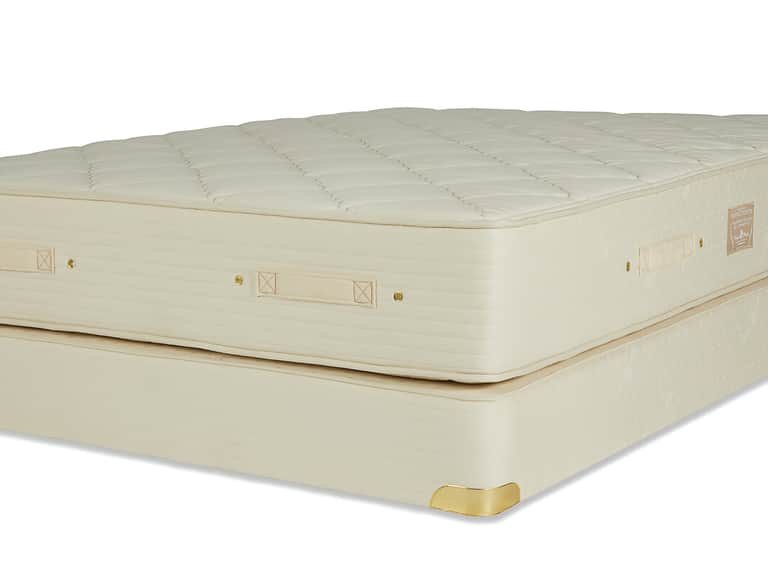
A practical guide to the key textile certifications that ensure organic bedding is non-toxic and responsibly produced. Learn what GOTS and OEKO-TEX mean, how they differ, and why they matter when evaluating sheets, pillows, and mattresses.
In an era where consumer choices balance comfort, health, and planetary stewardship, certifications act as trusted signposts. They translate vague promises into measurable standards, from the farm where cotton grows to the mill that processes the fiber, and the factory where textiles are finished. For anyone designing a safer sleep environment, understanding these marks is not a luxury but a prerequisite. The two most widely cited frameworks in organic bedding are GOTS and OEKO-TEX. Each has its own scope, criteria, and appeal. Together, they form a lattice that helps shoppers distinguish truly non-toxic bedding from products that merely market a green aura.
This article navigates the essentials of GOTS and OEKO-TEX, compares their core requirements, and provides a practical glossary of terms. We’ll also apply these concepts to familiar product categories—sheets, pillows, and mattresses—drawing on examples from brands such as Naturepedic and Sleep and Beyond to illustrate how certification labels translate into real-world safety and sustainability.
The Global Organic Textile Standard (GOTS) is the leading natural fiber certification for textiles. Established to ensure ecological and social criteria throughout the supply chain, GOTS covers everything from organic farming practices to environmental and social criteria in processing, manufacturing, packaging, labeling, and distribution. A GOTS certificate signals that a product is made with a minimum of 70% organic fibers and meets strict requirements for chemical inputs, dyeing processes, and wastewater management.
Key commitments under GOTS include:
For bedding such as sheets, pillow covers, and mattress covers, GOTS ensures that the fibers originate from organic farming and are treated in ways that minimize environmental impact and human exposure to toxic substances. A GOTS label, often accompanied by a certifier’s mark, is a strong signal for consumers seeking organic comfort without compromise.
OEKO-TEX is a globally recognized testing and certification system for textile products, focused on identifying and eliminating harmful chemicals. Unlike GOTS, OEKO-TEX does not guarantee that the entire supply chain uses organic fibers; rather, it certifies that tested products meet stringent safety limits for a broad spectrum of substances. The flagship OEKO-TEX Standard 100 certifies textiles free from harmful levels of substances known to be unsafe for human health.
OEKO-TEX certifications are particularly meaningful for consumers who want assurance against specific chemical exposures—such as restricted azo dyes, formaldehyde, or heavy metals—across a broad range of textiles, including bedding components like sheets, pillowcases, and mattress fabrics. There are also higher tiers, like OEKO-TEX MADE IN GREEN, which adds environmental and social responsibility criteria to the standard, and OEKO-TEX STANDARD 1000, which evaluates facilities for social compliance. These variants give shoppers a spectrum of assurance—from product-level safety to broader sustainability claims.
The most practical way to think about GOTS versus OEKO-TEX is to view GOTS as a composite standard that emphasizes organic fiber content and sustainable processing, while OEKO-TEX functions as a safety-oriented filter that tests for hazardous substances in textiles. GOTS inspects both the source material and the production chain, with a mandatory organic content threshold and social compliance elements. OEKO-TEX, by contrast, certifies that a product meets health-related limits for a broad range of chemicals, regardless of whether the fiber is organic.
In a real-world shopping scenario for organic bedding, look for both marks when possible. A sheet set that carries GOTS certifies the fiber origin and the processing ethics, while an OEKO-TEX STANDARD 100 label confirms that the finished fabric has been tested for safety in terms of chemical content. When you encounter a product with one and not the other, it’s worth asking supplementary questions about fiber sources, dyeing methods, and certification scope to fill any gaps in assurance.
Certification labels are only as trustworthy as the processes behind them. Here is a concise, practical method for verifying authenticity when shopping for organic bedding from reputable brands such as Naturepedic or Sleep and Beyond.
For readers of organic bedding, the takeaway is simple: mix and match certs when possible, but always demand clarity about what is certified and what the certification covers in the production journey—from farm to finished product.
When evaluating sheets, pillows, and mattresses, the following questions help surface the truth behind marketing claims and certification labels:
In the end, certifications should elevate your confidence that a product is safer for sleep and kinder to the environment. They are not the only measure of quality, but they remain a critical compass in a crowded market.
To illustrate how certification translates into living-room reality, consider three emblematic figures from different time periods whose work reshaped thinking about textiles, health, and the home. Their legacies inform contemporary debates about safe bedding and sustainable design.
Though not a textiles expert by trade, Nightingale’s pioneering emphasis on sanitation and evidence-based practices set a template for modern health standards. Her insistence on clean, well-ventilated spaces foreshadowed the modern emphasis on non-toxic environments. In the realm of bedding, her legacy lives on in the insistence that materials must support health, be free of toxins, and contribute to overall well-being rather than merely comfort.
In a Time Magazine tone, her influence is a reminder that the safety of sleep begins with the room itself—proper ventilation, breathable fabrics, and a commitment to evidence over fashion.
A modernist pioneer, Albers elevated textile craftsmanship to a discipline of form and function. Her relentless inquiry into weave, fiber, and structure resonates with how today’s bedding designers must interrogate fiber purity, weave stability, and long-term performance. Her work reminds us that the bed is not merely a place of rest but a laboratory for material science and aesthetic clarity.
Albers’s legacy encourages readers to examine how fabrics perform under real-life conditions—temperature regulation, moisture Management, and wear—an inquiry that echoes in GOTS-certified linens and OEKO-TEX-tested fabrics today.
A contemporary thought leader in sustainable product design, Braungart emphasizes that materials should be safe and reusable. His philosophy aligns with the spirit of organic bedding certifications: safe chemistry, responsible production, and the idea that products can be redesigned to be endlessly cycle-friendly. In bedding, this translates into minimizing hazardous inputs, maximizing recyclability, and designing for longevity—principles echoed in high-quality, certifiably safe sheets and mattresses.
Braungart’s influence underlines a future where safety labels are not a program of compliance alone but a framework for innovation in comfort, durability, and environmental stewardship.
The bedding landscape has never been more layered with claims about safety, sustainability, and comfort. GOTS and OEKO-TEX provide complementary lenses for evaluating those claims. GOTS anchors the origin and processing of fibers in organic practice and social accountability, while OEKO-TEX tests the products for hazardous substances across the spectrum of textiles. Together, they offer a practical guardrail for consumers who want to sleep easy—physically and morally.
For readers navigating beds, sheets, and pillows, the recommended approach is simple: prioritize products with robust certification footprints, verify the certificate numbers, and ask for transparency about the full supply chain. In the end, the safest organic bedding is not simply the most expensive or the most marketed; it is the one that reliably confirms its healthful promises from fiber farm to finished textile.
From the curated list of organic bedding options, here is a sample spotlight that demonstrates how certifications influence product design and consumer value. Note: product images are provided for selected items.
Certified organic flax linen, GOTS-certified, known for breathability, moisture management, and long-lasting durability. Stone-washed finish for a luxurious yet practical hand feel that ages gracefully.
GOTS-certified organic latex filling inside a breathable organic cotton cover, designed for side sleepers with adjustable loft and long-lasting resilience. A tangible example of how certification informs component choice and performance.

Note: The certifications discussed herein pertain to common standards used in the organic bedding industry. Always verify current certificates with the respective certifying bodies and brand disclosures at the time of purchase.