Foam mattresses are a popular choice in modern bedding due to their conforming support and pressure-relieving properties. In organic beds, foam materials are often formulated to balance contouring comfort with durability, while prioritizing low emissions and sustainable production. Understanding how memory foam, polyfoam, and plant-based alternatives differ helps users select sleep solutions aligned with comfort and health goals.
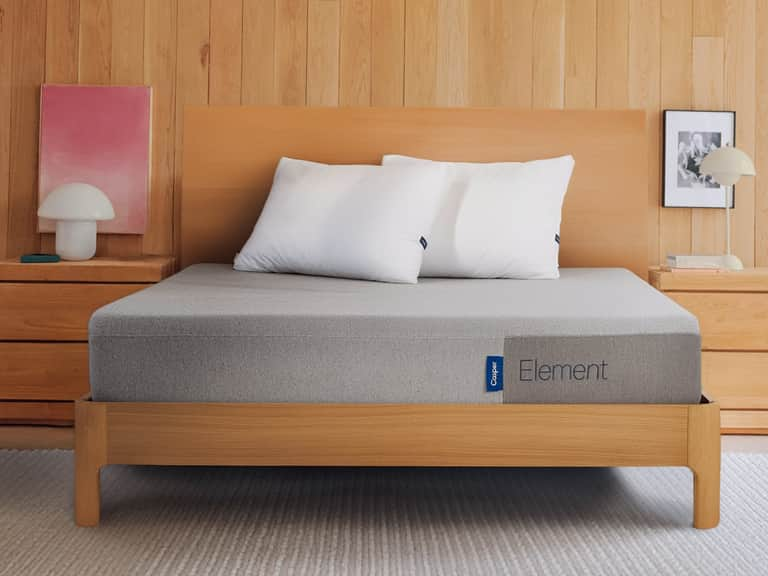
Element Mattress exemplifies the benefits of foam-based sleeping systems by offering targeted support and motion isolation. Key features typically include a multi-layer construction that combines a comfort layer for soft initial contour with a denser core for stability. This design can promote proper spinal alignment and reduce partner disturbance during sleep.
Functional benefits of foam mattresses extend to versatility for various sleeping positions, from back to side sleepers. The material's ability to distribute weight evenly helps alleviate common pressure points at the hips, shoulders, and lower back. For those seeking breathable performance, open-cell foams and cooling technologies can enhance thermal comfort through the night.
In natural and organic contexts, foam mattresses may incorporate certifications and clean formulations aimed at minimizing chemical exposure. Understanding layers, density, and cover fabrics informs decisions about durability, resilience, and ease of maintenance. Organic bedding ecosystems often emphasize compatibility with pillows, sheets, and other components for a holistic sleep environment.
Overall, foam mattresses like Element integrate comfort, support, and practical longevity. Evaluating core specifications such as density, firmness level, edge support, and durability helps readers gauge suitability for different body types and sleep styles. When paired with compatible organic bedding, these foams can contribute to a healthy, restorative sleep routine.
 Mattresses